
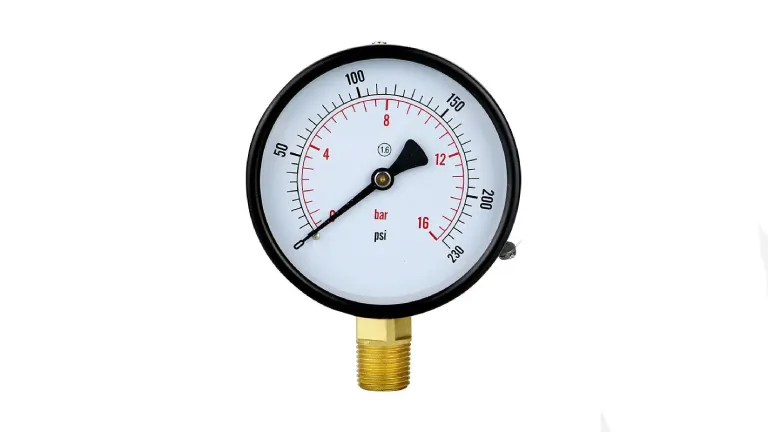
Water pressure plays a major role in how well your plumbing system works. Too much pressure can damage pipes, appliances, and fixtures. Too little pressure can make daily tasks frustrating. A water pressure gauge is a simple tool that helps you understand and control this balance.
Many homeowners ignore water pressure until something breaks. By then, repairs can be costly. A water pressure gauge helps prevent those problems early. It gives clear readings so you can take action before damage happens.
This guide explains what a water pressure gauge is, how it works, why it matters, and how to choose the right one. Whether you own a home, manage property, or work in plumbing, this article gives you practical and reliable information.
What Is a Water Pressure Gauge?
A water pressure gauge is a small measuring device that shows how much pressure water exerts inside a plumbing system. The reading usually appears in PSI, which stands for pounds per square inch.
Most residential plumbing systems work best between 40 and 60 PSI. When pressure goes above this range, stress builds inside pipes and fittings. Over time, this stress can cause leaks, bursts, and appliance failure.
More Article Here
A water pressure gauge connects to a water source such as:
-
An outdoor hose bib
-
A washing machine outlet
-
A main water supply line
Once connected, it gives an instant pressure reading.
Why Water Pressure Matters More Than You Think
Water pressure affects nearly every part of your plumbing system. Many people believe strong pressure means better performance, but that is not always true.
Here is what high water pressure can cause:
-
Pipe cracks and leaks
-
Damaged valves and seals
-
Shortened lifespan of appliances
-
Loud banging noises in pipes
-
Higher water bills
Low pressure creates different problems:
-
Weak showers
-
Slow filling sinks and tubs
-
Poor appliance performance
-
Inconsistent water flow
A water pressure gauge helps you find the sweet spot where everything works safely and smoothly.
How a Water Pressure Gauge Works
The gauge uses an internal spring and diaphragm system. When water enters the gauge, pressure pushes against the diaphragm. This movement turns a needle across a numbered dial.
Some gauges include:
-
Maximum pressure indicators
-
Resettable needles
-
Shock-resistant cases
-
Glycerin-filled interiors for stable readings
These features help users track pressure changes over time, not just at one moment.
Types of Water Pressure Gauges
Not all water pressure gauges serve the same purpose. Choosing the right type depends on how and where you plan to use it.
1. Hose Thread Water Pressure Gauge
This is the most common type for homeowners. It attaches easily to outdoor faucets or washing machine connections. It provides quick and accurate readings without tools.
2. Inline Water Pressure Gauge
This type installs directly into the plumbing line. It gives continuous readings and works well for long-term monitoring.
3. Digital Water Pressure Gauge
Digital models show readings on a screen instead of a dial. They often provide higher accuracy and may include memory features.
4. Liquid-Filled Pressure Gauge
These gauges contain fluid that reduces vibration. They are ideal for systems with fluctuating pressure.
Water Pressure Gauge Comparison Chart
| Feature | Analog Gauge | Digital Gauge | Inline Gauge | Hose Thread Gauge |
|---|---|---|---|---|
| Ease of Use | High | Medium | Low | Very High |
| Accuracy | Good | Very High | Very High | Good |
| Installation | Simple | Simple | Professional | Plug-and-play |
| Continuous Monitoring | No | Some models | Yes | No |
| Best For | Quick checks | Precision | Permanent systems | Home testing |
This comparison helps you select the best gauge based on your needs and experience level.
How to Use a Water Pressure Gauge Step by Step
Using a water pressure gauge does not require advanced skills.
-
Turn off all water inside the home
-
Attach the gauge to a faucet or hose bib
-
Slowly turn on the water
-
Read the PSI on the gauge
-
Record the number
-
Repeat at different times if needed
If the reading goes above 60 PSI, pressure regulation may be needed.
Ideal Water Pressure for Residential Plumbing
Most plumbing systems work best within this range:
-
Minimum safe pressure: 40 PSI
-
Ideal pressure: 50–55 PSI
-
Maximum recommended pressure: 60 PSI
Anything above this range increases risk. A pressure-reducing valve can help control excessive pressure.
Signs You Need to Check Your Water Pressure
You should test water pressure if you notice:
-
Sudden pipe leaks
-
Frequent appliance repairs
-
Loud knocking sounds
-
Water hammer issues
-
Unexplained spikes in water bills
A water pressure gauge provides clarity instead of guesswork.
Benefits of Using a Water Pressure Gauge
Using this tool offers several long-term advantages:
-
Prevents pipe damage
-
Protects appliances
-
Reduces maintenance costs
-
Improves water efficiency
-
Extends plumbing lifespan
It is a small investment that can prevent expensive repairs.
Common Mistakes to Avoid
Many users make simple errors that affect accuracy:
-
Testing while water is running
-
Ignoring pressure spikes
-
Using damaged gauges
-
Misreading PSI scales
Always test when the system is idle for accurate results.
Water Pressure Gauge Maintenance Tips
To keep your gauge accurate:
-
Store it in a dry place
-
Avoid dropping it
-
Check calibration yearly
-
Clean threads after use
Proper care ensures reliable readings over time.
Who Should Use a Water Pressure Gauge?
This tool benefits many people:
-
Homeowners
-
Property managers
-
Plumbers
-
Maintenance teams
-
DIY renovators
Anyone responsible for plumbing health should keep one on hand.
Frequently Asked Questions
What PSI is too high for home plumbing?
Any reading above 60 PSI is considered too high and can cause damage over time.
Can a water pressure gauge detect leaks?
It cannot find leaks directly, but pressure drops may indicate a hidden issue.
How often should I check water pressure?
Checking once every three to six months is usually enough.
Is a digital gauge better than an analog one?
Digital gauges offer higher accuracy, but analog gauges are reliable for most homes.
Do I need professional help to use a water pressure gauge?
No. Most gauges are simple to use and require no professional installation.
Conclusion
A water pressure gauge is one of the most valuable yet overlooked plumbing tools. It provides insight into your system’s health and helps prevent costly damage. With accurate readings, you can protect pipes, improve performance, and maintain safe pressure levels.
Whether you choose a simple hose-thread model or a more advanced digital version, the key is regular monitoring. This small habit can save money, reduce stress, and extend the life of your entire plumbing system.
Understanding your water pressure puts control back in your hands—and that makes a water pressure gauge an essential tool for every home.