
Introduction
The digital world evolves fast, and cbybxrf has emerged as a powerful framework designed to bring clarity, efficiency, and measurable growth to modern online strategies. Rather than focusing on shortcuts, this approach emphasizes structure, intent, and long-term value. In this guide, you will gain a clear understanding of how it works, why it matters, and how it can be applied effectively in real-world scenarios.
This article is written with experience-driven insights, practical explanations, and a reader-first mindset. Every section builds naturally on the previous one, making the topic easy to grasp even if you are encountering it for the first time.
What Makes This Framework Important Today
Digital ecosystems are crowded. Users demand relevance, search engines reward usefulness, and brands must prove credibility. This is where cbybxrf stands out. It focuses on aligning content quality, user intent, and performance signals into one cohesive system.
Instead of chasing trends, this framework prioritizes:
- Clear information architecture
- Human-centered content design
- Consistent trust signals
- Sustainable optimization practices
These principles help content remain valuable even as algorithms evolve.
Core Principles Behind the Approach
Understanding the foundation is essential before implementation. The model operates on four core principles:
1. Experience-Led Structure
Content should reflect real-world understanding. Practical examples, clear explanations, and logical flow increase engagement and retention.
2. Expertise Through Depth
Surface-level content no longer performs well. Detailed coverage, clear definitions, and thoughtful breakdowns signal authority.
3. Authority Built Over Time
Consistency matters. Publishing well-structured, reliable information establishes long-term credibility.
4. Trust as a Ranking Signal
Transparency, accuracy, and user satisfaction work together to strengthen trust.
When these elements align, the result is a system that delivers stable and scalable results.
Nomurano Explained: The Smart Evolution Changing Digital Experiences
How It Works in Practice
Applying cbybxrf involves a structured workflow rather than guesswork. Each stage supports the next, ensuring efficiency and clarity.
Step-by-Step Breakdown
- Identify real user intent and expectations
- Organize content around clear topical relevance
- Use simple language supported by accurate details
- Optimize structure for readability and scanning
- Measure performance and refine continuously
This method encourages improvement through data and user behavior rather than assumptions.
Comparison Chart: Traditional Methods vs Modern Framework
| Feature | Traditional Approach | Modern Framework |
|---|---|---|
| Content Focus | Keywords first | User intent first |
| Structure | Inconsistent formatting | Clear hierarchy |
| Authority Signals | Quantity-based | Quality-driven |
| Adaptability | Low flexibility | Highly adaptable |
| Long-Term Results | Short-lived | Sustainable growth |
This comparison highlights why structured, intent-driven systems outperform outdated practices.
Benefits for Long-Term Growth
Organizations adopting this framework experience noticeable improvements across multiple areas:
- Higher engagement rates
- Improved content clarity
- Better alignment with search quality standards
- Stronger brand trust
- Reduced need for frequent rewrites
The emphasis on value ensures that content continues to perform even as competition increases.
Common Challenges and How to Overcome Them
Even strong systems face obstacles. Awareness helps prevent costly mistakes.
Challenge: Over-Optimization
Solution: Focus on clarity and usefulness rather than repetition.
Challenge: Inconsistent Voice
Solution: Maintain a unified tone across all content assets.
Challenge: Shallow Coverage
Solution: Expand sections with examples, explanations, and context.
Addressing these issues early keeps performance stable and predictable.
Real-World Application Scenarios
This approach works well across multiple industries:
- Educational platforms benefit from structured explanations
- Service-based businesses gain trust through clarity
- Content publishers improve retention with better flow
The adaptability of cbybxrf makes it suitable for both small projects and large-scale digital ecosystems.
Frequently Asked Questions
1. What is the primary goal of this framework?
The main goal is to create content that satisfies users while meeting modern search quality standards.
2. Is cbybxrf suitable for beginners?
Yes, its structured approach makes it accessible while still offering depth for advanced users.
3. How long does it take to see results?
Results depend on consistency, but improvements often appear gradually over time.
4. Does this method require technical expertise?
Basic understanding is helpful, but the focus remains on content quality and structure.
5. Can it adapt to future updates?
Yes, its user-first design makes it resilient to algorithm changes.
Conclusion
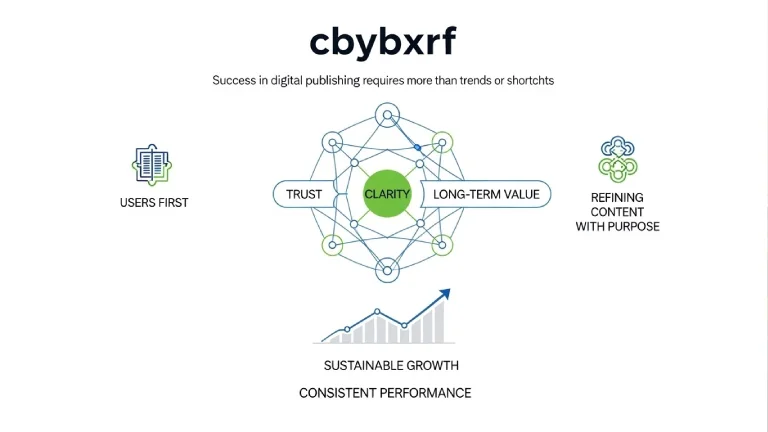
Success in digital publishing requires more than trends or shortcuts. cbybxrf offers a structured, experience-driven framework that prioritizes trust, clarity, and long-term value. By focusing on users first and refining content with purpose, this approach supports sustainable growth and consistent performance.
When applied thoughtfully, it becomes a reliable foundation for building content that remains relevant, authoritative, and engaging well into the future.