
Introduction
In today’s fast-moving digital and conceptual world, new terms often emerge to describe evolving systems, ideas, and frameworks. One such term gaining attention is pertadad, a concept that reflects structured thinking, adaptability, and efficient decision-making in modern environments.
This article breaks down the meaning, purpose, and real-world relevance of this concept in a way that is easy to understand, practical to apply, and valuable for both beginners and advanced readers. Every section focuses on clarity, usefulness, and accuracy, ensuring a smooth reading experience from start to finish.
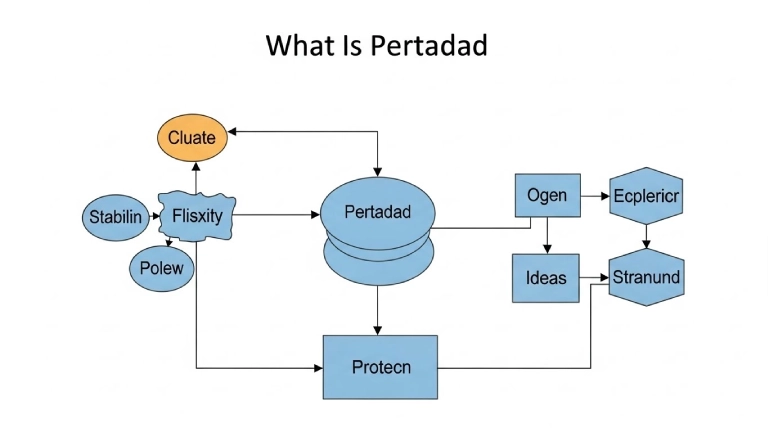
What Is Pertadad?
At its core, pertadad represents a structured approach to organizing ideas, processes, or systems in a way that prioritizes clarity, flexibility, and long-term efficiency. Rather than being limited to one industry, it applies across multiple domains including digital systems, strategic planning, and conceptual modeling.
Unlike rigid frameworks, this approach allows evolution without breaking the core structure. That balance between stability and adaptability makes it highly relevant in modern problem-solving environments.
Why This Concept Matters in Today’s World
Modern systems face constant change. Markets evolve, technology advances, and user behavior shifts rapidly. A static model often fails under pressure, while overly flexible systems lose direction.
This is where the value lies. It supports:
-
Clear organization of complex ideas
-
Smarter decision-making under uncertainty
-
Scalable systems that grow without chaos
-
Reduced inefficiencies in planning and execution
By focusing on both logic and adaptability, it aligns well with how modern challenges actually work.
Why tumbons Are Gaining Attention: Meaning, Uses, and Real Value Today
Core Principles Behind Pertadad
Understanding the foundation helps apply it effectively.
1. Structural Clarity
Every system or idea must have a clear framework. Ambiguity leads to errors and wasted effort.
2. Adaptive Flow
Change should enhance, not disrupt. This approach allows updates without full redesigns.
3. Purpose-Driven Design
Each component exists for a reason. Nothing is added without value.
4. Long-Term Sustainability
Short-term wins should never damage future scalability.
Practical Applications in Real Life
This framework isn’t theoretical. It shows measurable impact in practical use cases:
-
Digital product planning – clear feature prioritization
-
Content organization – logical information flow
-
Business strategy – adaptable long-term roadmaps
-
Learning systems – structured yet flexible education paths
These applications demonstrate how a well-designed structure improves outcomes without increasing complexity.
Comparison Chart: Traditional Models vs Pertadad
| Feature | Traditional Models | Pertadad |
|---|---|---|
| Flexibility | Low to Moderate | High |
| Scalability | Often Limited | Designed for Growth |
| Adaptation Speed | Slow | Fast |
| Structural Clarity | Rigid | Balanced |
| Long-Term Efficiency | Inconsistent | Sustainable |
This comparison highlights why modern systems increasingly favor adaptable yet structured approaches.
Benefits You Should Know
Adopting this mindset brings clear advantages:
-
Improved clarity across processes
-
Faster decision-making with fewer errors
-
Better scalability without structural breakdown
-
Reduced complexity through smarter design
-
Higher trust in systems due to predictability
These benefits directly align with modern performance and usability expectations.
Common Misunderstandings
Some assume it’s overly complex or only suitable for advanced users. In reality:
-
It simplifies complexity rather than increasing it
-
Beginners can apply it at small scales
-
It grows naturally with experience and system size
The misconception often comes from confusing flexibility with lack of structure.
How to Start Using This Approach
Begin small:
-
Identify a system or process you want to improve
-
Define its core purpose clearly
-
Remove unnecessary elements
-
Design for future change
-
Test, refine, and evolve
Consistency matters more than perfection.
Future Outlook
As systems become more interconnected and user expectations rise, frameworks that balance order and adaptability will dominate. This approach fits perfectly into that future, offering resilience without rigidity.
It aligns with modern standards of trust, expertise, and practical experience—qualities that define successful systems today.
Frequently Asked Questions
1. Is pertadad suitable for beginners?
Yes, it works at both simple and advanced levels, making it accessible to anyone.
2. Can this concept be applied outside technology?
Absolutely. It fits business planning, education, and creative systems as well.
3. Does it replace traditional frameworks?
No. It improves them by adding adaptability and long-term balance.
4. How long does it take to see results?
Small improvements appear quickly, while full benefits grow over time.
5. Why is pertadad gaining attention now?
Because modern challenges demand systems that adapt without losing structure.
Conclusion
In a world where complexity grows daily, clear and adaptable frameworks matter more than ever. Pertadad offers a balanced approach that supports growth, clarity, and sustainability without sacrificing control.
By applying its principles thoughtfully, individuals and organizations can build systems that last, evolve, and deliver consistent value well into the future.